
 800-4-SEATOW
 Service Locator


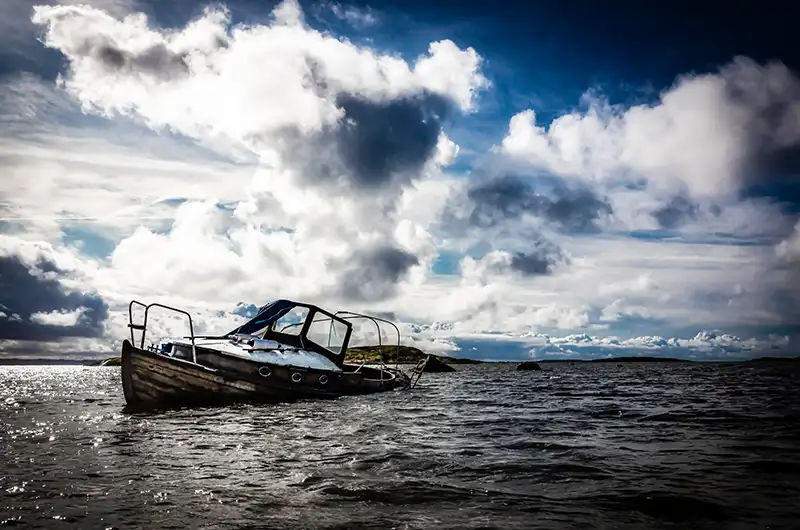
Few experiences are more disorienting and terrifying for a boater than your vessel overturning. While not a common occurrence, it can and does happen. When it does, it can happen quickly. You’re suddenly in the water, adrenaline pumping, and the first instinct can be to panic. However, if your boat capsizes and remains afloat, the key is to keep a clear head and take methodical steps.
What Does It Mean If a Boat Capsizes but Remains Afloat?
A boat capsizes when it overturns or rolls onto its side. In some cases, the hull and other buoyant parts of the vessel keep it partially above the surface even though the boat can no longer be operated normally.
If the capsized boat remains afloat and is not creating an immediate hazard, staying with it can improve your chances of being found. A boat is larger and easier for rescuers to see than individual people in the water, and it may provide flotation or a place to hold on while you wait for help.
Stay Calm and Account for Everyone
When your boat capsizes, it’s natural to feel a surge of fear. But keeping your composure and quickly evaluating your surroundings can make all the difference.
- Account for All Passengers: Call out names or headcounts to ensure nobody is missing. If you’re unsure whether someone is trapped under the boat, try to quickly scan the underwater portion if it’s safe to do so.
- Check for Injuries: Before anything else, make sure everyone in the water is okay. If someone is hurt, do what you can to provide immediate assistance. Keep the injured person afloat and as stable as possible until professional help arrives.
- Assess the Boat’s Position: A capsized boat that remains afloat can act as a flotation device and a beacon for rescuers. By staying near or on the overturned hull, you increase your visibility and your odds of being found quickly.
What to Do Immediately After a Boat Capsizes
Once you’ve taken a breath and assessed any injuries, shift your focus to the actions that will keep you and your passengers safe.
Stay With the Boat If It Is Safe
Unless the boat is drifting toward a more dangerous situation—like strong currents, rapids, or breaking waves – the best move is to remain close by. It’s far easier for rescuers to spot an overturned vessel than individual swimmers in open water.
Put on a Life Jacket or Hold Flotation
If you weren’t already wearing a life jacket, locate one among any floating gear. Make sure everyone else does the same.
Retrieve Safety Equipment
Check to see if any emergency or floating equipment is within reach, never try to swim under an overturned boat.
- Flares or Signal Devices: Use them to signal passing boats or aircraft.
- Whistles or Air Horns: Sound carries well over water and can be critical for attracting attention.
- Coolers, Cushions, or Other Buoyant Items: Hang onto anything that helps keep you afloat and visible.
Signal for Help After a Capsize
After you’ve established a safe position, your next concern is alerting potential rescuers.
- Use Visual Signals: If you have flares, use them when you see or hear a possible rescue vessel. In the absence of flares, use mirrors or bright clothing to reflect sunlight and catch attention.
- Whistle or Shout: Even if it feels futile, calling out periodically can be the difference between being heard by a passing boater and remaining undetected. A whistle is more effective and requires less energy than shouting.
- Activate an Emergency Beacon: If you have a Personal Locator Beacon (PLB) or a handheld VHF radio with DSC, engage it to send a distress signal. These devices can automatically transmit your position to rescue services.
- Stay Visible: If you’re in a group, stick together to form a larger object in the water. This makes it easier for rescuers to spot you, especially from above.
When Should You Call for Help After a Capsize?
Call for help as soon as a capsize puts people in the water, someone is missing or injured, conditions are worsening, the boat is drifting into danger, or you cannot safely recover without assistance.
If you have a VHF radio, use it to transmit your location, vessel description, number of people involved, injuries, and the nature of the situation. A phone can also be used when service is available. Activate a PLB or other emergency beacon according to its instructions when the situation requires it, and use whistles, flares, signal mirrors, or other visual and audible signals to help rescuers locate you.
If anyone is in immediate danger, contact the Coast Guard or local emergency authorities first. Commercial towing or vessel recovery can be addressed after the people involved are safe and the condition of the boat is understood.
What to Do While Waiting for Help
If rescue isn’t immediate, your priority shifts to surviving the elements and conserving energy.
Conserve Energy
- Limit Movement in Cold Water: Moving too much accelerates heat loss.
- HELP (Heat Escape Lessening Posture): Tuck your legs and arms close to your body if you’re alone. If you have multiple people, huddle together to maintain warmth.
Stay Hydrated and Alert
- Avoid ingesting saltwater, as it can worsen dehydration.
- Stay on the lookout for nearby boats or debris that could assist in keeping you buoyant or sheltered.
How to Reduce the Risk of Capsizing
The best “solution” to a capsizing event is prevention. Follow these guidelines to significantly reduce your risk.
- Avoid Overloading: Every vessel has a maximum weight capacity. Overloading compromises stability, making you more susceptible to capsizing.
- Distribute Weight Properly: Keep heavier gear and passengers centered. If weight shifts too far to one side, the chance of tipping increases, especially in choppy conditions.
- Check Weather Conditions: Always review forecasts before heading out. Rough waves, strong currents, or sudden storms can challenge even the most experienced boater.
- Perform Regular Maintenance: A well-maintained hull and functioning bilge pump can keep your boat afloat. Check drain plugs before every outing and address any signs of damage promptly.
- Know Your Boat’s Stability Limits: Learn how your boat behaves in various sea conditions. Participate in practice drills to familiarize yourself and your passengers with emergency procedures.
- Ensure you deck hatches are closed and seal and bilge pumps are working. Most boats will capsize due to uncontrolled flooding and loss of stability.
Even the most prepared boater can run into an emergency. Sometimes it is not a matter of if, but when you may find yourself in this situation, so always be prepared.
Frequently Asked Questions around Boat CapsizingShould you stay with a capsized boat?
Should you stay with a capsized boat?
In most cases, yes. If the capsized boat remains afloat and is not drifting into a more dangerous area, staying with the vessel makes you easier for rescuers to locate and can provide additional flotation. Move away only if remaining with the boat creates a greater danger.
What should you do first if your boat capsizes?
First, stay calm and account for everyone who was onboard. Check for injuries, put on life jackets or hold onto flotation if they are available, and stay together near the boat when it is safe to do so. Once everyone is accounted for, signal for help and conserve energy.
Should you swim to shore after a boat capsizes?
Generally, no. Swimming away from a floating capsized boat can make you harder to find and can quickly use valuable energy. Stay with the boat unless shore is very close and clearly reachable or remaining with the vessel would put you in greater danger.
What causes boats to capsize?
Common factors include overloading, poor weight distribution, sudden shifts in passenger or gear weight, rough waves, strong weather, uncontrolled water intrusion, and loss of stability. Keeping loads balanced, monitoring conditions, securing hatches, and maintaining the bilge system can help reduce the risk.
Can Sea Tow help after a boat capsizes?
After everyone is safe and emergency authorities have been contacted when necessary, Sea Tow may be able to assist depending on the vessel’s condition, location, and circumstances. A capsized, sunk, hard-grounded, or severely damaged vessel may require salvage or recovery services rather than a standard tow. Salvage is separate from Sea Tow membership services.

Sea Tow Team
Sea Tow has been the premier leader in on-water boating assistance since 1983. We want to share news, press, tips and all things boating.
Created at: - Updated at: