
 800-4-SEATOW
 Service Locator


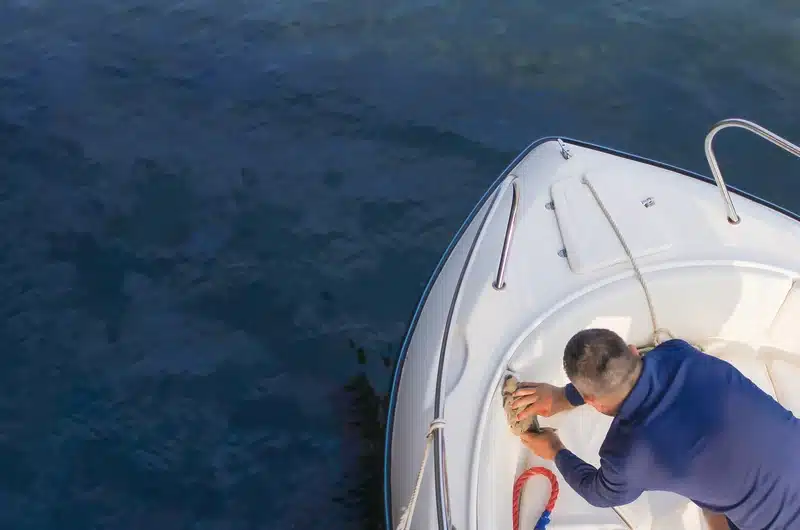
After a day on saltwater, taking the time to properly clean your boat can help prevent corrosion, protect its components, and keep everything in good working condition. This includes rinsing exposed surfaces, flushing the engine according to the manufacturer’s instructions, drying areas where moisture collects, and lubricating components as needed.
While a quick rinse is better than nothing, saltwater can reach more areas of your boat than you might realize. From the hull and trailer to the engine, bilge, and electrical connections, following a consistent cleaning routine can help prevent salt buildup and long-term damage.
Before You Start
Before cleaning your boat, take a few precautions to protect yourself, your equipment, and the environment.
- Secure the boat and trailer on a stable surface.
- Allow hot engine and exhaust components to cool.
- Turn off electrical equipment before spraying near connections.
- Use cleaning products approved for marine use and the surfaces you’re cleaning.
- Never mix cleaning chemicals.
- Follow the manufacturer’s instructions for engines, generators, watermakers, and other onboard equipment.
- Prevent oily or chemical runoff from entering storm drains or waterways.
- Use moderate water pressure. High-pressure spray can force water past seals, into electrical connections, beneath decals, or into damaged upholstery and laminate.
1. Rinse the Hull, Deck, and Hardware
- Rinse the hull with fresh water, paying special attention to the waterline, chines, strakes, trim tabs, transducers, and through-hulls.
- Wash the deck, cockpit, swim platform, rails, cleats, hinges, latches, and rod holders.
- Make sure scuppers and drains are clear so rinse water can flow out of the boat.
- Use a soft brush or wash mitt rather than abrasive pads that can scratch gelcoat or painted surfaces.
- Dry stainless steel hardware and check for signs of rust staining or pitting.
A marine-safe boat soap can help remove stubborn salt buildup and other residue. Follow the manufacturer’s recommended dilution, as using too much can strip protective wax or damage finishes.
2. Rinse the Trailer
- Once you’ve finished rinsing the boat, thoroughly rinse the trailer with fresh water to remove salt and debris.
- Pay special attention to the frame, axles, suspension, brakes, hubs, wheels, winch, coupler, safety chains, lights, bunks, rollers, and tie-down hardware.
- Rinse hard-to-reach areas where saltwater can collect and accelerate corrosion.
- Follow the trailer manufacturer’s recommendations for brake flushing, bearing maintenance, and corrosion protection.
3. Flush the Engine
- Follow the manufacturer’s flushing instructions for your specific engine type, whether it’s an outboard, sterndrive, inboard, or jet drive.
- Use the recommended flushing method, water supply, run time, and engine position.
- Check whether your engine can be flushed while turned off using a dedicated flushing port or requires flushing muffs or adapters with the engine running.
- Never run an engine without the required cooling water.
- Never leave a running engine unattended.
4. Rinse the Propeller, Lower Unit, and Steering
- Make sure the engine is completely shut off and cannot be accidentally started before inspecting the propeller.
- Check for fishing line or debris wrapped around the propeller shaft, as well as signs of damage, leaks, or loose hardware.
- Rinse the propeller, hub, lower unit, trim-and-tilt components, steering ram, brackets, and exposed fasteners with fresh water.
5. Clean the Bilge and Check for Leaks
- Remove loose debris, fishing line, leaves, and used absorbent pads from the bilge.
- Check for unusual amounts of water, fuel, oil, or coolant before cleaning.
- Test the bilge pump and float switch to make sure they’re working properly.
- Inspect discharge hoses and fittings to make sure they’re secure and free of damage.
- Never pump oily or contaminated bilge water overboard. Follow proper disposal procedures.
If you notice recurring water accumulation or signs of a fluid leak, identify and address the source rather than simply cleaning.
6. Protect Electrical Connections
- Avoid spraying water directly onto electrical panels, battery switches, connectors, fuse blocks, or electronics.
- Wipe down electrical components or gently rinse only where permitted by the manufacturer.
- Dry the area thoroughly and check for salt buildup, corrosion, loose terminals, damaged seals, or frayed wires.
- Apply dielectric grease or corrosion protection only where recommended by the manufacturer.
7. Wash Upholstery, Canvas, and Isinglass
- Rinse vinyl seats and cushions with fresh water, paying special attention to seams and textured surfaces where salt can accumulate.
- Use cleaning products recommended for the material, and thoroughly rinse away any residue.
- Allow cushions and upholstery to dry completely before covering or storing the boat.
- Clean canvas and clear vinyl panels with products specifically designed for those materials.
- Avoid household glass cleaners, solvents, stiff brushes, and abrasive towels that can scratch, cloud, or damage clear vinyl.
8. Clean Fishing and Watersports Gear
- Rinse fishing rods, reels, hooks, lures, gaffs, nets, and pliers with fresh water.
- Dry metal fishing gear thoroughly before returning it to tackle boxes or storage compartments.
- Rinse tow ropes, boards, skis, and inflatable equipment to remove salt and debris.
- Inspect life jackets for damage, rinse according to the manufacturer’s instructions, and allow them to air-dry away from direct sunlight and heat.
- Remove wet towels, leftover bait, food, and trash from the boat.
- Allow all gear to dry completely before storing it in enclosed compartments to help prevent corrosion, odors, mold, and mildew.
9. Rinse and Dry Storage Compartments
- Open lockers, hatches, anchor compartments, fish boxes, and storage areas beneath seats.
- Remove standing water and rinse removable bins with fresh water to eliminate salt buildup.
- Leave compartments open and well-ventilated until completely dry.
- Rinse the anchor, chain, anchor rode, dock lines, and fenders to remove salt and debris.
- Inspect lines and equipment for signs of chafing, wear, or damage before storing them.
10. Clean the Freshwater and Sanitation Areas
- Wipe down sinks, faucets, toilets, and galley surfaces with cleaning products appropriate for each material.
- Avoid using harsh chemicals in pumps, hoses, tanks, or sanitation systems unless approved by the manufacturer.
- Rinse around exterior freshwater fill connections and pump areas, taking care to prevent contaminated rinse water from entering the freshwater tank.
- Check for unusual odors and address the source rather than simply masking them with cleaning products.
- Never mix cleaning chemicals, especially in enclosed spaces or sanitation systems.
11. Dry the Boat Before Covering
- Use towels, fans, or a wet vacuum where appropriate to remove excess moisture.
- Leave hatches and storage compartments open in a secure location until completely dry.
- Make sure upholstery, cushions, and other fabrics are dry before covering the boat.
- Use a clean, properly fitted, and ventilated boat cover to help prevent moisture buildup.
- Make sure the cover is properly supported so rainwater cannot pool on top.
Covering a wet boat can trap moisture, creating conditions for mold, mildew, corrosion, and unpleasant odors.
12. Lubricate and Protect Moving Components
- Once the boat is clean and dry, lubricate hinges, latches, steering components, throttle linkages, trailer couplers, and other moving parts as recommended by the manufacturer.
- Use lubricants specifically approved for each component and application.
- Avoid applying lubricants to belts, brake surfaces, sacrificial anodes, nonskid decks, or areas where they could create a slipping hazard.
- Apply wax, polish, metal protectants, or corrosion inhibitors as needed, following the manufacturer’s recommendations for product compatibility and application frequency.
Quick Post-Trip Boat Cleaning Checklist
- Rinse the hull, deck, hardware, running gear, and trailer with fresh water.
- Flush the engine and generator according to the manufacturer’s instructions.
- Inspect the propeller, lower unit, steering, and trim components for damage or debris.
- Check the bilge for leaks and test the pump and float switch.
- Inspect and dry electrical connections, avoiding direct water spray.
- Clean upholstery, canvas, fishing gear, and storage compartments.
- Remove leftover food, bait, trash, and wet towels.
- Allow the boat and storage compartments to dry thoroughly before covering.
- Lubricate moving parts and apply corrosion protection as recommended by the manufacturer.
- Make note of any damage or maintenance issues that need attention before your next trip.
Frequently Asked Questions
Do I need to wash My boat after every saltwater trip?
Yes. Rinsing your boat with fresh water after every saltwater trip helps remove salt buildup and prevent corrosion. Flush the engine according to the manufacturer’s instructions. A more thorough wash may be needed depending on how the boat was used and how much salt, dirt, or debris has accumulated.
Can I pressure-wash my boat?
Yes, but use caution. High-pressure water can damage gelcoat, decals, sealants, upholstery, and electrical components. It can also force water into areas that should remain dry. Use moderate water pressure and follow the boat and equipment manufacturer’s recommendations.
Should I rinse the bilge with fresh water?
You can rinse the bilge with fresh water if it’s free of fuel, oil, coolant, and other contaminants. Always check for leaks or unusual fluid accumulation before cleaning, and never discharge contaminated bilge water overboard. Use cleaning products compatible with your boat’s bilge system.
What should I lubricate after saltwater use?
Common components that may need lubrication include hinges, latches, steering components, and trim-and-tilt mechanisms. Always follow the manufacturer’s recommendations for which parts to lubricate, what products to use, and how often to apply them.
Why does corrosion appear even when I rinse the boat?
Salt can remain trapped in seams, fasteners, electrical connections, bilges, and storage compartments, even after a thorough rinse. Moisture buildup, damaged protective coatings, and contact between dissimilar metals can also contribute to corrosion. Proper drying, regular inspections, and preventive maintenance help reduce the risk.
Rinse Early, Dry Thoroughly, and Inspect
Cleaning your boat after a saltwater trip involves more than a quick rinse. Taking the time to flush the engine, remove salt buildup, dry hard-to-reach areas, and inspect for signs of corrosion, leaks, or wear can help protect your boat from long-term damage.
A consistent post-trip cleaning routine helps prevent unnecessary repairs, keeps your boat in good condition, and helps ensure it’s ready for your next day on the water.

Sea Tow Team
Sea Tow has been the premier leader in on-water boating assistance since 1983. We want to share news, press, tips and all things boating.
Updated on: - Created on: