
 800-4-SEATOW
 Service Locator


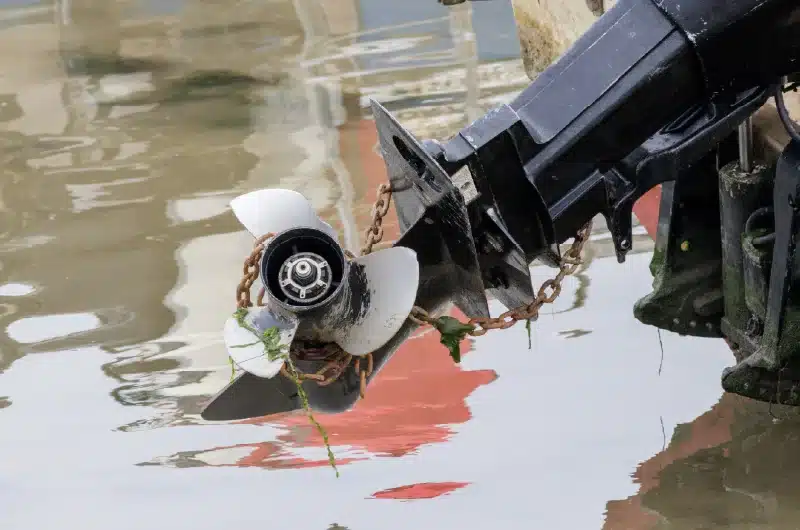
Rope, fishing line, weeds, netting, and other floating debris can easily become tangled around your boat’s propeller. Sometimes the problem is obvious, like when your engine is running but your boat suddenly stops moving. Other times, you might notice unusual vibrations, strange noises, or difficulty accelerating.
Continuing to operate your boat with something wrapped around the propeller can cause further damage. Knowing how to recognize the signs and respond safely can help prevent a minor problem from becoming a more serious issue.
Stop the Engine
If you suspect something is tangled around your propeller, reduce the throttle, shift into neutral, and shut off the engine as soon as it’s safe to do so. Continuing to operate the boat can cause rope or debris to wrap more tightly around the propeller, shaft, or other parts, potentially causing further damage.
Before attempting to inspect the propeller, make sure the engine is completely shut off and cannot be accidentally restarted. Never reach near a propeller while the engine is running, even if the boat is in neutral.
Check Your Surroundings
Even with the engine shut off, your boat can continue to drift with the wind and current. Before inspecting the propeller, take a moment to assess your surroundings. Are you drifting toward shallow water, other boats, or nearby structures? Is there enough room to safely evaluate the problem? If conditions allow and it’s safe to do so, anchor the boat while you assess the situation.
If you’re drifting toward a potential hazard or can’t safely remain in your current location, requesting assistance should take priority over trying to resolve the entanglement yourself.
Don’t Enter the Water to Clear the Propeller
While a tangled propeller might seem like an easy fix, attempting to remove rope, fishing line, or debris from the water can be dangerous. Poor visibility, strong currents, waves, sharp objects, and unexpected boat movement can make the situation more hazardous than it appears.
Rather than entering the water to investigate or remove the obstruction, request professional assistance. Sea Tow Captains can help with certain propeller entanglements that don’t require a diver, with coverage depending on the circumstances and membership terms.
Check the Propeller from Your Boat
Depending on your boat’s design and engine configuration, you may be able to see what’s tangled around the propeller without entering the water. Before inspecting, make sure the engine is completely shut off and cannot be accidentally started.
If the obstruction is visible, assess whether it can be safely reached and removed from aboard the boat. Avoid forcing or disassembling any components, especially if you’re unfamiliar with the equipment. If you can’t safely access the propeller or aren’t sure how to remove the debris, it’s best to request professional assistance rather than risk injury or further damage.
What If the Propeller Is Damaged?
Even after the rope or debris has been removed, your propeller still could have sustained damage. Bent or chipped blades, unusual vibrations, or difficulty accelerating can all indicate a problem that needs attention. Fishing line wrapped around a boat propeller can also become tightly wrapped around the shaft, potentially damaging seals and allowing water into the gearcase.
If you notice signs of damage or your boat isn’t operating normally, avoid continuing your trip. Running a boat with a damaged propeller can put additional strain on the engine and drivetrain, potentially leading to more expensive repairs. When in doubt, have the propeller and surrounding components inspected by a qualified marine technician before heading back out.
When Should You Call for Assistance?
If you’re unable to safely remove the debris, your boat won’t operate normally, or you’re drifting toward a potentially dangerous area, it’s time to request professional assistance. Don’t wait for the situation to become serious before asking for help.
Sea Tow Captains can assist with certain propeller entanglements. If the obstruction can’t be removed or your boat is unable to get back underway, towing may be necessary. Covered propeller disentanglements and towing are among the on-water assistance services available to Sea Tow members, per the Sea Tow Membership Agreement.
Stay Safe When Dealing with a Tangled Propeller
A tangled propeller can quickly disrupt a day on the water, but knowing how to respond can help prevent further damage or injury. If you suspect something is wrapped around your propeller, shut off the engine, assess your surroundings, and only inspect the obstruction if you can do so safely from your boat. If you’re unable to resolve the problem, don’t take unnecessary risks. Request professional assistance to help get you back on the water safely.

Sea Tow Team
Sea Tow has been the premier leader in on-water boating assistance since 1983. We want to share news, press, tips and all things boating.
Updated on: - Created on: