
 800-4-SEATOW
 Service Locator


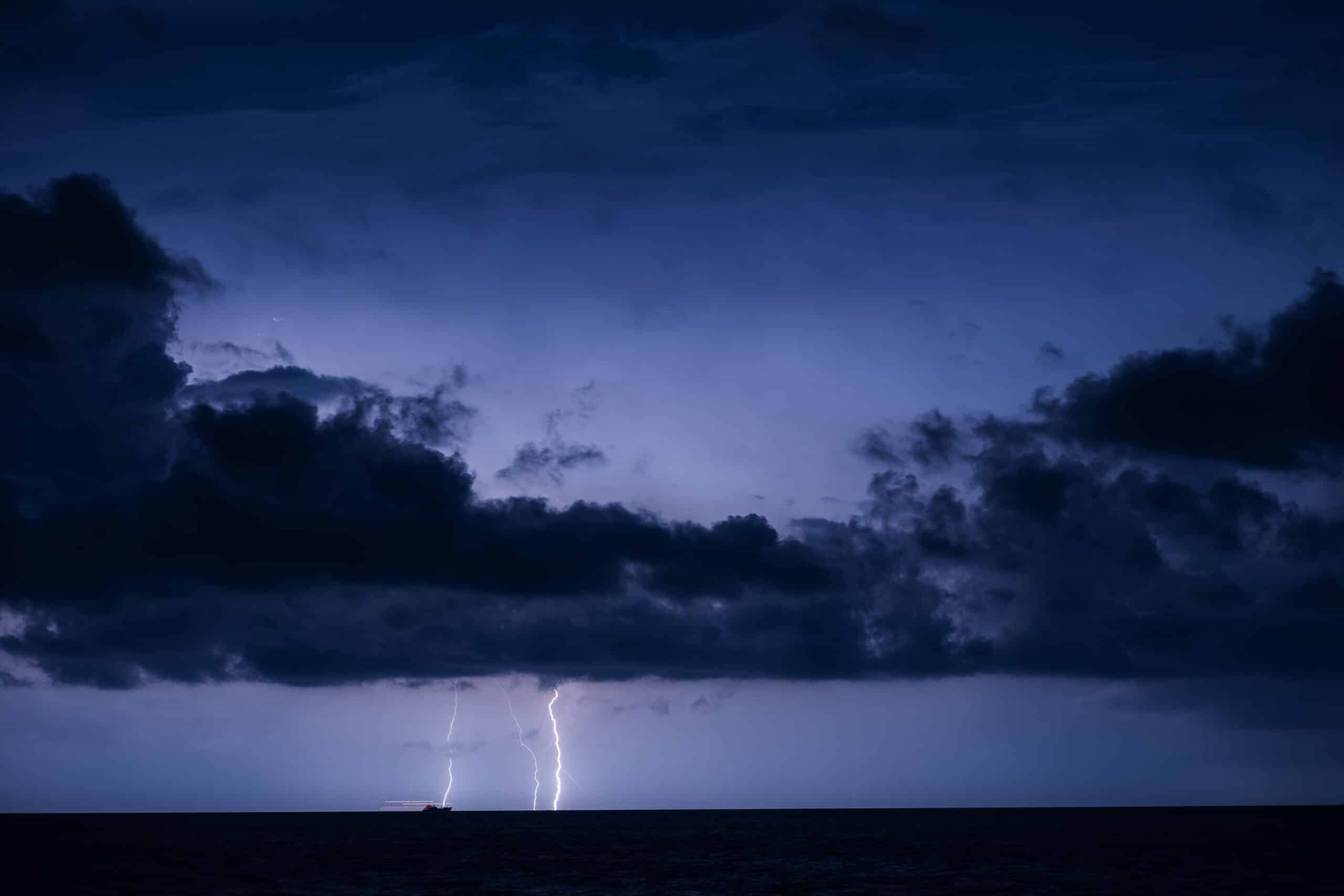
Fishing boats are designed to handle changing conditions, but storms can develop faster than many boaters expect. Sudden wind shifts, rising waves, and reduced visibility can quickly turn an average fishing trip into a challenging situation.
If your fishing boat gets caught in a storm, reduce speed, secure loose gear, ensure all passengers are wearing life jackets, and monitor weather and position closely. Avoid making sharp turns, and do not attempt to outrun severe weather if conditions are already deteriorating.
Storm response is about control, not speed.
Reduce Speed and Maintain Control
Reducing speed also helps maintain steering control. In heavy chop, running too fast can cause the boat to slam into waves, placing additional strain on the hull and engine mounts. The first reaction for many boaters is to accelerate toward shore. That is not always the safest choice.
Instead:
- Gradually reduce speed
- Keep the bow angled into oncoming waves
- Avoid taking waves broadside
- Maintain steady throttle control
Running directly perpendicular to waves increases the risk of capsizing, especially in smaller fishing boats.
Sudden weather systems like a squall can intensify quickly, reducing visibility and increasing wave height within minutes.
confirm Everyone is Wearing a Life Jacket
Rough water and sudden vessel movement can make it difficult to locate and properly secure life jackets once conditions worsen. Take safety precautions immediately and ensure everyone on board is wearing a life jacket.
All passengers should:
- Put on properly fitted life jackets
- Remain seated
- Avoid sudden movement
- Stay low and centered
Improper weight distribution is one of the leading contributors to instability during heavy seas. Often times, the primary cause of boating fatalities involve unexpected weather, as well as lack of life jackets.
It is important to prepare before leaving the dock and check all safety elements on your predeparture checklist. This includes filing a float plan so someone on land knows your route if conditions escalate unexpectedly which can help expedite response time if needed.
Secure Gear and Clear the Deck
Fishing boats carry loose equipment that becomes hazardous in rough water. Loose gear can shift suddenly, changing weight distribution, increase tripping hazards, and become dangerous to those on board.
Secure:
- Coolers
- Tackle boxes
- Bait buckets
- Rods
- Gaffs and nets
- Portable electronics
Securing equipment early helps clear the deck and allow passengers to access emergency equipment if conditions worsen.
Monitor Your Position and Surroundings
Storms can push boats off course through wind and current. Maintaining awareness of your position helps ensure you are not drifting toward shallow water, rocks, or heavily trafficked areas.
If visibility drops significantly due to rain or spray, slow down further and lean on available navigation electronics. Keeping track of nearby vessels and shoreline features helps avoid additional hazards while the storm passes.
Use:
- GPS
- Chartplotter
- Radar (if equipped)
- VHF radio
If communication range becomes unreliable, understanding issues like poor VHF range can help identify signal limitations before they become critical.
In busy waterways such as the Intracoastal Waterway (ICW), storms increase traffic congestion as vessels rush toward shelter.
Do Not Attempt to Anchor in Open Water Unless Necessary
Anchoring in heavy seas can cause the boat to swing unpredictably or take waves improperly. Only anchor if:
- You are near hazards
- You lose engine power
- You must prevent grounding
If propulsion fails during the storm, the situation becomes more serious. Mechanical strain increases dramatically in rough water, especially if you are operating offshore.
If the Engine Fails During the Storm
Engine failure during severe weather can quickly turn a difficult situation into a dangerous one. Without propulsion, you lose the ability to control the boat’s position and angle to incoming waves.
Immediately:
- Turn the bow into the waves
- Deploy the anchor if depth allows
- Issue a distress call on VHF
- Activate signaling equipment
In extreme cases where a vessel becomes disabled or grounded due to storm conditions, salvage and recovery services
may be required after conditions stabilize.
After the Storm Passes
If anything seems unusual, such as vibration, steering stiffness, or unusual engine noise, proceed cautiously and consider returning to port for further inspection.
Once conditions improve:
- Check bilge for water
- Inspect hull for cracks
- Examine steering response
- Check engine temperature
- Assess electronics
Even if the boat appears fine, hidden damage can develop after heavy impact with waves. Preventive care after severe weather is part of responsible boat maintenance.
Frequently Asked Questions
Should you try to outrun a storm in a fishing boat?
Not if conditions are already deteriorating. Reducing speed and maintaining control is often safer than accelerating blindly toward shore.
Is it safe to anchor during a storm?
Only if necessary to prevent drifting into hazards and only if water depth and bottom conditions allow.
What is the most dangerous part of boating in a storm?
Loss of propulsion combined with beam seas (waves hitting from the side) increases the risk of capsizing significantly.
Final Thoughts
Storms can develop faster than forecasts predict. The safest response is controlled, deliberate action focused on stability and communication. Understand that preparation before leaving the dock matters just as much as decision-making during the storm.

Sea Tow Team
Sea Tow has been the premier leader in on-water boating assistance since 1983. We want to share news, press, tips and all things boating.
Updated on: - Created on: